


The Kwikly Blog
Explore articles, guides, and tools in dentistry

How to Grow Your Dental Practice
How to grow your dental practice starts with the chairs that already have names on them. Recare, perio, and treatment only produce when a hygienist is in the room and the doctor column can keep moving. Marketing can fill the book. An unstaffed day empties it again. Read next week's board first: open hygiene hours, doctor downtime, and patients waiting on a recall that never got a confirmation. Cover those gaps, then spend on visibility. Offices post a shift on Kwikly at no cost and pay when the shift is filled; if a confirmed shift is cancelled or shortened within 24 hours of start, the office is billed at the original hours requested.
How to Grow Your Dental Practice
How to grow your dental practice starts with the chairs that already have names on them. Recare, perio, and treatment only produce when a hygienist is in the room and the doctor column can keep moving. Marketing can fill the book. An unstaffed day empties it again. Read next week's board first: open hygiene hours, doctor downtime, and patients waiting on a recall that never got a confirmation. Cover those gaps, then spend on visibility. Offices post a shift on Kwikly at no cost and pay when the shift is filled; if a confirmed shift is cancelled or shortened within 24 hours of start, the office is billed at the original hours requested.

Dental Hygienist Continuing Education Requirements
Dental hygienist continuing education requirements are set by the state dental board that issued the license. There is no national hour total. Most states tie license renewal to continuing education on a cycle of one to three years, and boards also decide which topics count, how many hours can be self-study, and whether CPR sits inside the hour count or next to it. A chart or an old PDF is a starting lookup at best. The number that matters is the one on the current board page for your license.
Is Being a Dental Hygienist Hard?
Yes, being a dental hygienist is hard. The job is hard on the body, hard on the clock, and hard in the chair when a patient is anxious or a column is packed. Dental hygiene school is a different kind of hard, and it already has its own pages. After the license, the work is scaling, perio, patient education about oral health, radiographs, and the pace of a real hygiene day. Those hard parts show up in private offices, DSOs, and temp days. How the job is set up around you (who employs you, how the book is built, what happens when a shift disappears) is what makes the work stayable.
First Steps to Becoming a Dental Hygienist
The first steps to becoming a dental hygienist run in a fixed order. Get into a program accredited by the Commission on Dental Accreditation, graduate, pass the national written board and your state clinical exam, then apply for a state license. Employment comes after the license. School still comes first. Once you are licensed, a first job can be a home office, a DSO seat, or temping. New graduates use all three.
The Dental Office Toolkit: What It Is and How to Use It
This guide explains Delta Dental's Dental Office Toolkit (DOT), a free provider portal for submitting claims, checking patient eligibility and benefits, and viewing payment history. It walks through technical requirements (Chrome, Adobe Acrobat, pop-up settings), the account registration and first-login process, common daily workflows, and how to troubleshoot the most frequent access problems. It's a practical reference for front desk staff and office managers at Delta Dental-affiliated practices looking to reduce time spent on insurance administration.

Dental Office Manager Job Description
This is a full job-description guide to dental office management, covering the four core responsibility areas: patient scheduling, billing and insurance, staff/HR management, and compliance/inventory. It also breaks down education paths, key certifications like FAADOM and DANB-AADOM, technical and soft skill expectations, and salary ranges by experience level and practice size. It closes with a practical look at staffing coverage as an underappreciated part of the role, plus an FAQ section addressing common questions about the job.
Most Common Dental Software & How to Choose the Right Fit
This guide explains the five categories dental practice management software falls into: legacy on-premise (Dentrix, Eaglesoft), cloud-native (Curve Dental), open-source (Open Dental), analytics-first all-in-one platforms, and DSO/multi-location specialists (Denticon). For each, it covers the tradeoffs in cost, infrastructure, and scalability, then walks through a feature checklist every practice should verify, including patient communication tools, online scheduling, digital intake, and imaging compatibility. It closes with practical guidance on data ownership and exit planning before signing a software contract.
Kwikly Dental Staffing Named a Bronze Honoree in the 2026 Dental Innovator Awards
Kwikly Dental Staffing has been named a Bronze honoree in the 2026 Dental Innovator Awards for Kwikly Workforce Management - the first internal staffing solution built for dental groups. Developed with Heartland Dental, it lets DSOs fill open shifts with their own team first, then route anything unclaimed to a vetted vendor network.

Dental Assistant Cover Letter Examples That Get Interviews
This guide covers how to write an effective dental assistant cover letter, breaking down each section from header to closing, and including four real-world examples for experienced candidates, new graduates, career-transitioners, and assistants with office management experience. It also lists common mistakes that hurt callback rates, a copy-friendly template, and answers to frequently asked questions about length, customization, and reusing content for job platforms. It's a practical resource for anyone applying to dental assistant roles.
Kwikly and Spear Education Partner to Invest in the Dental Hygiene Workforce
Kwikly and Spear Education announced the Kwikly Hygiene CE Membership Program, which gives Kwikly dental hygienists access to Spear's Hygiene Excellence curriculum and certification pathway, along with over 180 online courses. Coursework spans clinical topics, patient communication, instrumentation, infection control, treatment planning, and career development, and members can complete courses at their own pace from any device. At the center of the program is a shared belief: hygienists should work alongside dentists as co-therapists, collaborating to support comprehensive diagnosis and improve treatment acceptance. Hygienists can purchase the membership starting at $250 per year or $25 per month with an annual commitment.
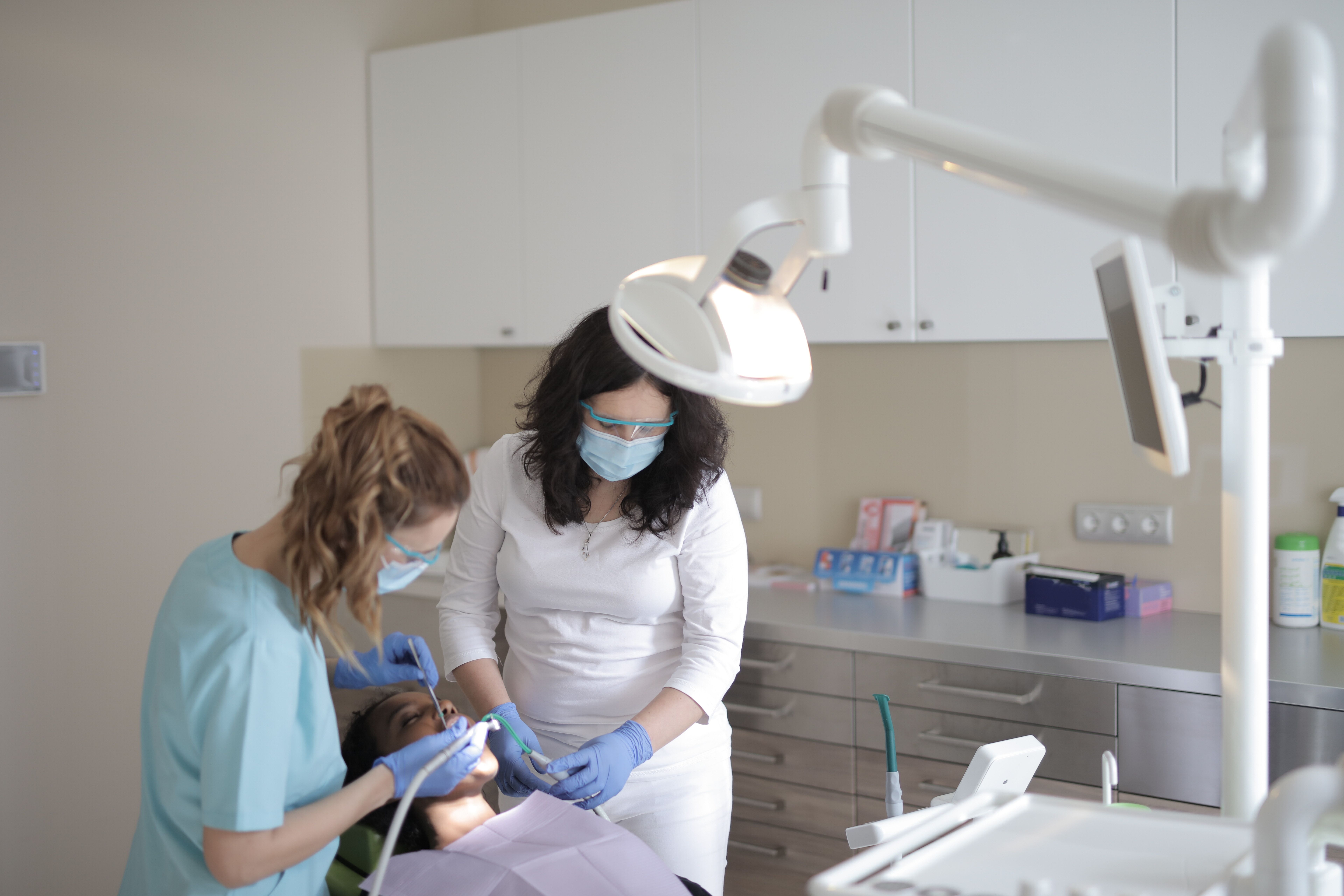
Dental Assistant Career Path and Where This Role Can Take You
This guide maps out the dental assistant career path beyond the entry-level role, covering day-to-day responsibilities, training and CDA certification, and the range of advancement options available, including EFDA, dental hygiene, office management, education, sales, lab work, specialty practice, and even dentistry itself. It includes salary comparisons across each pathway, along with practical steps for moving forward, making it a useful roadmap for assistants planning their next move.

Dental Field Jobs and Salary and A Complete Guide to Careers in Dentistry
This is a role-by-role guide to careers in the dental field, covering dental hygienists, dental assistants, general dentists, oral and maxillofacial surgeons, and dental laboratory technicians. For each role, it breaks down day-to-day responsibilities, education and licensing requirements, and salary expectations, then compares them side by side so readers can see how training investment tracks with earning potential. It's a useful starting point for anyone weighing which dental career path fits their goals and timeline.
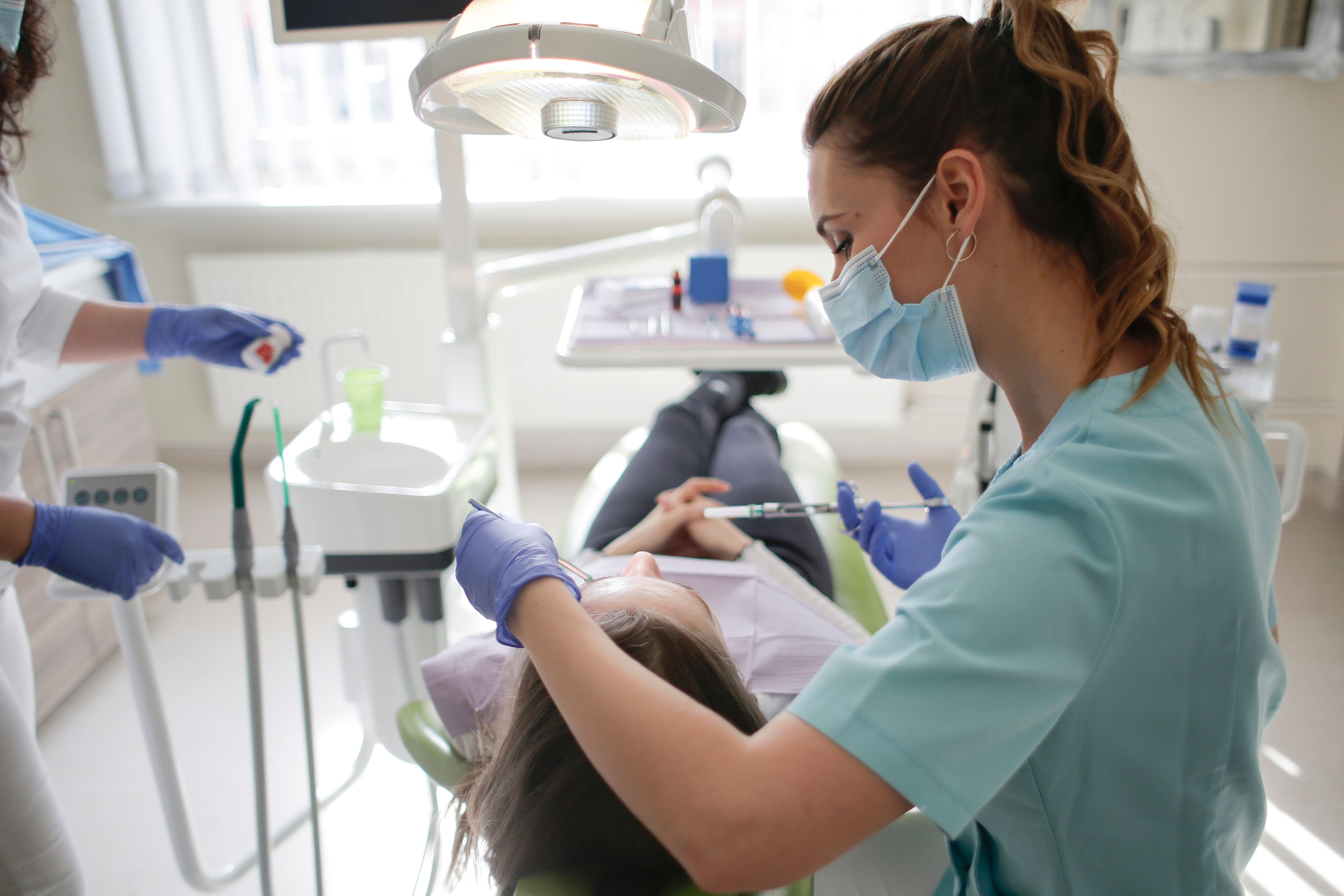
Dental Hygienist Career Path
This guide maps out the full dental hygienist career path, starting with education and licensing requirements, then clinical practice in private offices, and expanding into less-discussed directions like public health, dental hygiene education, research, corporate roles, and independent practice. It also covers job outlook and salary data, along with practical guidance on how to advance a hygiene career through further education and professional involvement. It's a useful resource for anyone weighing where dental hygiene could take them long-term.
Is Dentistry a Good Career?
This article takes a clear-eyed look at whether dentistry is a good career choice, covering salary data, the four-plus-four-plus-residency education path, dental school costs, and specialty options like orthodontics and oral surgery. It also weighs the job outlook against the real trade-offs, including significant debt, physical strain, and the demands of running a practice, to help prospective dentists figure out whether the profession actually fits their goals and working style.

A Complete Guide to Dental Hygienist Responsibilities
Dental hygienists are licensed practitioners responsible for far more than routine cleanings, including health history review, oral cancer screening, periodontal assessment, radiographs, scaling and root planing, fluoride and sealant application, local anesthesia, and detailed clinical documentation. This guide breaks down each responsibility in depth, covers how scope of practice and supervision levels vary by state, and explains how the role holds steady even when a hygienist moves between temporary and permanent positions. It's a useful reference for patients, dental offices, and hygienists alike.
How Long Is Dental Hygiene School?
Dental hygiene school takes anywhere from two to seven years depending on the degree path you choose: associate, bachelor's, or master's. This guide breaks down what each path actually involves, coursework, clinical hour requirements, prerequisites, and realistic timelines, plus what licensing looks like after graduation and what the job market and pay actually look like for new hygienists. Whether you're weighing a fast route into clinical practice or building toward teaching or leadership, this covers the full picture.
How to Hire a Dental Assistant
Hiring a dental assistant in 2026 means competing for a shrinking pool of qualified professionals. This guide covers the full process: defining the role, writing a job description that attracts the right candidates, sourcing through multiple channels, interviewing for both technical skills and team fit, verifying credentials, and onboarding in a way that actually keeps people around. Whether you need your next dental assistant fast or you're building a long-term hiring system, these steps apply.

How to Become a Certified Dental Assistant
Every step to earn the CDA credential, from high school through passing the DANB exam, involves handling state requirements and maintaining certification. It also covers salary expectations and how to build experience after getting certified.
Highest Paying Dental Specialties in 2026
This guide covers the highest-paying dental specialties in 2026, including salary ranges, training requirements, and daily responsibilities for oral and maxillofacial surgery, dental anesthesiology, orthodontics, prosthodontics, endodontics, pediatric dentistry, and periodontics. It also explores how location, practice setting, and lifestyle factors influence earnings for dental specialists.

Dental Hygiene Prerequisites
Dental hygiene programs require completing key science and general education prerequisites with a grade of C or better. Planning your courses, meeting credit and GPA requirements, and choosing an accredited program sets you up for clinical training, licensing, and a successful career.